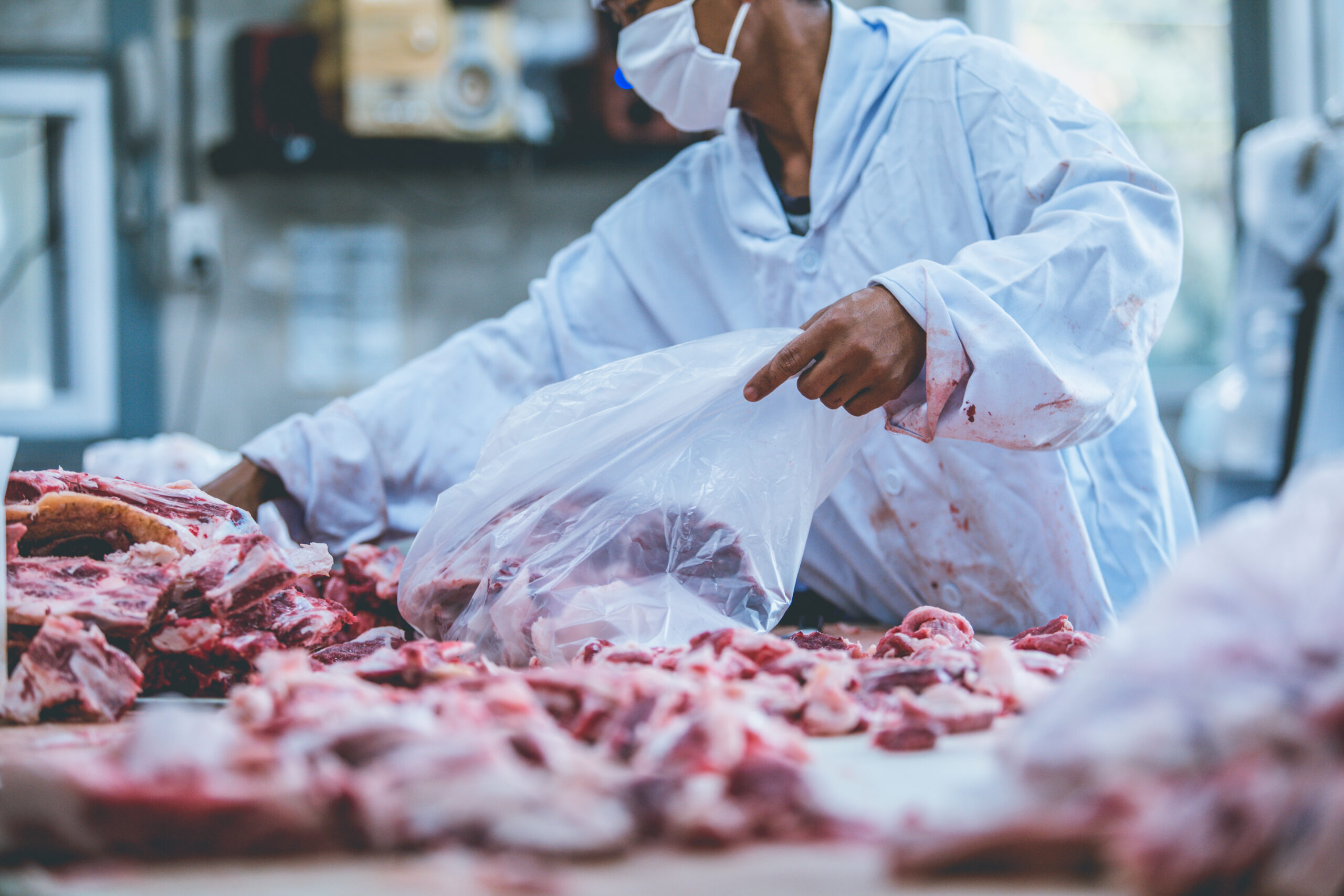




Workers’ compensation benefits for injured meatpackers and food processors
In North Carolina, most businesses with 3 or more employees are required to purchase workers’ compensation insurance that provides their workers with certain benefits after an on-the-job injury or illness. Workers are entitled to receive these benefits even if they caused the accident that led to their injury.
These benefits include the following:
- Medical benefits. These benefits cover all medical treatment for your injuries, including hospitalization, surgery, medication, and physical therapy.
- Wage loss benefits. You’re entitled to benefits to cover two-thirds of your average weekly wages if you can’t work or can only work in a limited capacity while you recover.
- Death benefits. In the event that you die due to a work-related injury or illness, death benefits (including funeral expenses and lost wages) may be available to your dependents.
How to file a workers’ comp claim in North Carolina
To be eligible for compensation, you must have sustained the injury while on duty doing work-related tasks. For instance, if you lose your finger to a food processor, you can file for workers’ comp. However, if you are in a car accident while driving home from work, you probably aren’t eligible for workers’ compensation benefits.
To submit a workers’ compensation claim in North Carolina, you need to take the following steps:
- Seek medical treatment. You should seek medical treatment as soon as possible after your injury. This will help to establish that your injury is work-related and prevent it from getting worse.
- Report your injury. You should report your injury to your employer as soon as possible. Under North Carolina law, you have 30 days to report your injury to your employer, or you won’t be eligible for benefits.
- File a claim. To start the claims process, you must file Form 18 with the North Carolina Industrial Commission, which can be found on their website. In North Carolina, a workers’ compensation claim must be filed within 2 years from the date of your injury/illness or from when you become aware of your injury/illness.
- Contact an attorney. If you need help with your claim or your claim is denied, contact an attorney to ensure you don’t miss your chance to collect benefits.
Common injuries among food processors and meatpackers
As a food processor or meatpacker, your duties include cutting, trimming, packaging, and processing food items and meat for sale. The work involves performing repetitive tasks at high speeds and exposes you to dangerous machinery, extreme temperatures, and slippery floors. Plant conditions contribute to the food manufacturing industry having one of the highest injury rates in North Carolina and around the U.S.
When a worker sustains an injury, they often need some time off from work, which can cause a financial strain as the employee also needs to pay for medical bills. This is where workers’ compensation comes in to help with the financial challenges.
Due to repetitive tasks and heavy lifting, workers may suffer from musculoskeletal disorders, notably sprains and strains.
Symptoms may include:
- Soreness and pain in the lower back
- Hernia
- Torn ligaments and tendons
- Cuts
Other common injuries in meat processing facilities include the following:
- Broken bones and brain injuries. The cold, damp conditions in many meat processing facilities can lead to slippery floors, which increase the risk of slip-and-fall accidents.
- Lacerations and amputations. The speed of assembly line work, the use of sharp knives and other equipment, and defective machinery can lead to injuries ranging from minor cuts to deep wounds and amputations of fingers, hands, or limbs.
- Cold stress injuries. Prolonged exposure to cold temperatures can lead to cold stress injuries such as hypothermia and frostbite.
- Crush injuries. These can occur if a worker gets caught between or underneath machinery.
- Respiratory problems. Exposure to fumes, chemicals, mold, and other substances in meat processing plants can lead to respiratory problems such as asthma, bronchitis, and lung infections.
- Repetitive motion injuries. Repetitive motions can cause damage to the tendons and nerves, leading to conditions such as carpal tunnel syndrome.
- Noise-induced hearing loss. The loud noise levels in many meat processing facilities can lead to hearing loss over time.
- Burn injuries. These can occur from fires, explosions, and exposure to hot machinery without safety gear.
- Diseases from biological hazards. Working with dead animals can expose workers to biological hazards such as bacteria, viruses, and parasites.
- Injuries due to extended standing. Standing for long periods can lead to injuries such as varicose veins, lower back pain, and leg cramps. Additionally, it can stress the feet, legs, and back, leading to injuries such as plantar fasciitis and a herniated disc.
Did you know? The rates of injury and illness are highest among workers in the red meat processing industry, with 9.8 cases per 100 full-time workers, followed by poultry processing, with rates of 6.5 cases per 100 full-time workers.
In North Carolina, most workers are entitled to workers’ compensation benefits—regardless of whether they were at fault or not.
Contact Us