



What Makes Truck Accident Cases Unique?
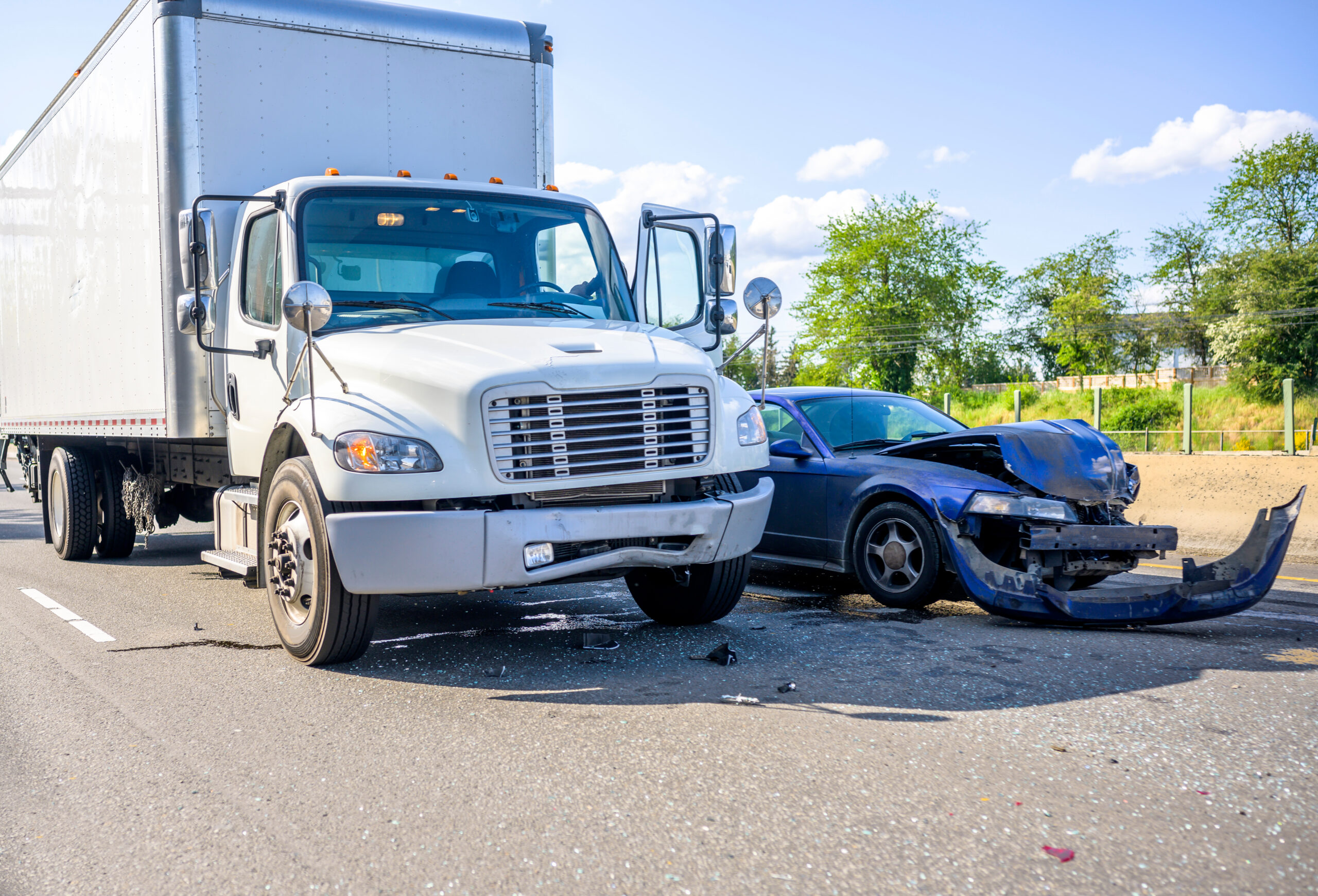
Collisions involving commercial trucks differ significantly from typical car accidents. Large trucks can weigh 20 to 30 times more than passenger vehicles, often resulting in far more severe, life-altering injuries.
Liability is rarely simple: it may involve the driver, the trucking company (through respondeat superior or independent negligence in hiring, training, supervision, or maintenance), the vehicle owner, cargo shippers, or even parts manufacturers. Federal Motor Carrier Safety Administration (FMCSA) regulations govern hours of service, driver qualifications, vehicle maintenance, and electronic logging devices (ELDs). These create additional layers of potential liability when companies or drivers violate safety rules.
Critical evidence, such as electronic control module (ECM) data, driver logs, maintenance records, and dashcam footage, can be overwritten or lost quickly if not preserved immediately. Trucking companies and their insurers are often well-resourced and aggressive in defending claims. An experienced attorney understands how to investigate thoroughly, retain the right experts (accident reconstructionists, trucking safety specialists), and level the playing field.
Benefits of Talking to a Lawyer After a Truck Accident
Reaching out to a knowledgeable truck accident attorney promptly offers several important protections. A lawyer can immediately begin preserving time-sensitive evidence, such as ELD data and maintenance records, before it disappears. They can handle communications with multiple insurance companies, so you are not pressured into recorded statements or quick, lowball settlements.
An attorney can accurately value your full damages, including future medical needs, lost earning capacity, and non-economic losses, so you are not left shortchanged years later. They can help navigate complex legal doctrines (such as North Carolina’s contributory negligence rules) and coordinate benefits if workers’ compensation is also involved.
Most importantly, having skilled representation allows you to focus on your physical and emotional recovery while your legal team manages the rest. Many firms, including ours, offer free, no-obligation consultations and work on a contingency basis; you pay nothing unless we recover compensation for you.
What to Do After a Truck Accident
Your actions in the hours and days after a crash can significantly affect your claim.
Follow these steps:
- Ensure safety and seek medical care first. Move to a safe location if possible and call 911 for police and emergency services. Even if you feel “okay,” see a doctor or go to the emergency room promptly—many serious injuries (such as traumatic brain injuries or internal bleeding) have delayed symptoms.
- Document the scene thoroughly. Take photos and videos of vehicle positions, damage, road conditions, skid marks, traffic signs, and any visible injuries. Collect contact information from witnesses and note the truck’s company name, DOT number, and license plate.
- Notify your own insurance company about the accident, but stick to basic facts. Do not give a recorded statement or sign anything without speaking to an attorney first.
- Avoid speaking with the trucking company’s insurer or representatives until you have legal counsel. They may try to shift blame or minimize your injuries.
- Keep a daily journal of your pain levels, symptoms, medical appointments, and how the injuries affect your daily life, work, and relationships. This documentation becomes powerful evidence.
- Contact an experienced truck accident lawyer right away. Early involvement helps preserve critical evidence and protects your rights before deadlines or evidence issues arise.
Proving Negligence in North Carolina Truck Accident Cases
North Carolina follows a strict pure contributory negligence rule. If you are found even 1% at fault for the accident, you may be completely barred from recovering compensation from the other parties. This “all-or-nothing” doctrine makes these cases especially challenging and underscores the importance of skilled legal representation.
In truck accident cases, we focus on proving the full extent of the trucking company’s negligence, such as violations of FMCSA hours-of-service rules, inadequate driver training, poor maintenance practices, or pressure on drivers that leads to fatigue. We also explore whether the defendant’s conduct rose to gross negligence, which can sometimes overcome contributory negligence defenses.
Thorough investigation, expert testimony, and a deep understanding of both state law and federal trucking regulations are essential to protect your right to recovery.
Comparative Negligence in South Carolina Truck Accident Cases
South Carolina follows a modified comparative negligence system. You can generally recover damages if your fault is 50% or less. Your compensation is then reduced by your percentage of fault. If you are found 51% or more at fault, recovery is barred.
In trucking cases, this framework still requires careful proof of the driver’s and the company’s negligence. Common issues include fatigue from hours-of-service violations, distracted or impaired driving, improper cargo loading, and company failures in maintenance or supervision.
Because multiple parties are often involved, we work to establish each defendant’s degree of responsibility while protecting your share of any recovery. Our attorneys are familiar with both Carolinas and can handle cases that cross state lines or involve companies headquartered elsewhere.
Compensation You Can Recover After a Truck Accident
If another party’s negligence caused your injuries, you may be entitled to compensation for a wide range of losses.
Recoverable damages typically include:
- Economic damages: Past and future medical expenses (hospitalization, surgeries, rehabilitation, medications, assistive devices), lost wages and loss of earning capacity, property damage to your vehicle and personal belongings, and out-of-pocket costs.
- Non-economic damages: Pain and suffering, emotional distress, loss of enjoyment of life, scarring or disfigurement, and loss of consortium (impact on your relationship with your spouse or family).
In cases of wrongful death, funeral and burial expenses, loss of financial support, and loss of companionship and guidance may be recovered.
When the trucking company’s conduct was particularly reckless (for example, knowingly allowing a fatigued or unqualified driver on the road), punitive damages may also be available to punish wrongdoing and deter future harm.
Every case is unique; the value depends on the severity of injuries, strength of liability evidence, and impact on your life. Our team works diligently to document every element of your damages and pursue the maximum compensation available under the law.
Contact Us