



Are coal miners in NC eligible for workers’ compensation?
Yes, coal miners in North Carolina are eligible for workers’ compensation. Under North Carolina law, workers in various industries, including mining, are entitled to workers’ compensation benefits if they suffer a work-related injury, illness, or disease.
Employers in North Carolina with 3 or more employees are generally required to carry workers’ compensation insurance to provide these benefits to their employees. Coal miners who sustain injuries or occupational diseases due to their work environment, such as respiratory illnesses like black lung or lung cancer, are thus covered under these provisions as long as they can directly tie their health condition to their job.
What are the most common injuries in mining?
The most common injuries and illnesses in the mining industry include the following:
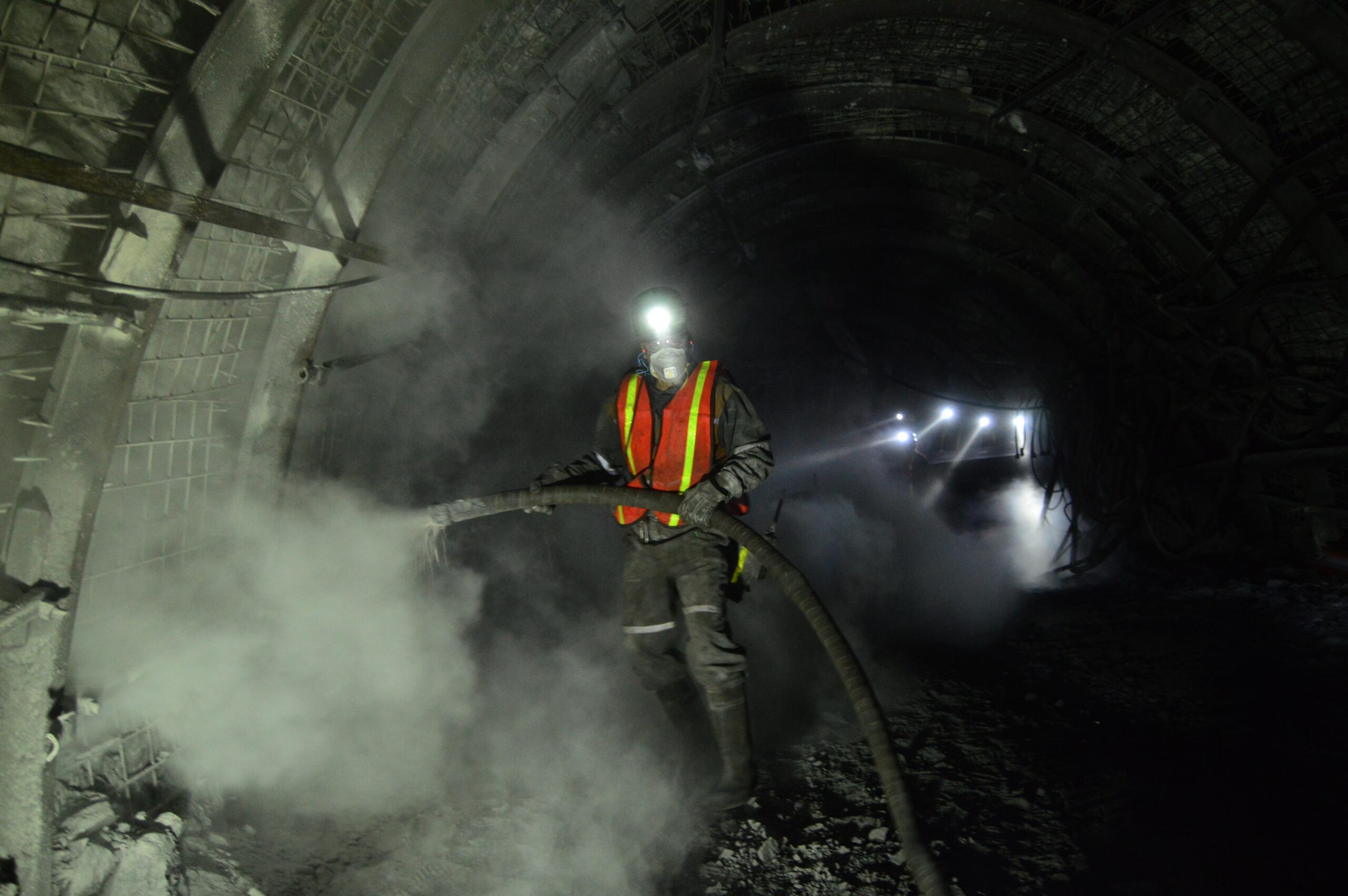
- Respiratory diseases. Prolonged exposure to dust can lead to lung diseases like coal workers’ pneumoconiosis (black lung disease), silicosis, asthma, and chronic obstructive pulmonary disease (COPD).
- Hearing loss. Continuous exposure to loud machinery and equipment noise can cause hearing impairment or loss over time.
- Musculoskeletal injuries. These occur due to repetitive motions, heavy lifting, awkward postures, and overexertion, leading to strains, sprains, and back injuries.
- Traumatic injuries. Serious injuries, including spinal cord injuries, brain injuries, and bone fractures, can occur from falls, machinery accidents, mine collapses, and explosions.
- Chemical exposure. Miners are often exposed to hazardous chemicals that can lead to chemical burns or poisoning.
- Heat stress. Working in deep, hot mines can cause heat exhaustion or heat stroke.
- Vision problems. Poor lighting conditions can lead to eye strain and other vision-related issues over time.
Report finds that more coal miners are dying from lung disease now than in previous decades
A CDC report from 2023 found that modern coal miners in the U.S. are facing higher death rates from lung diseases than their predecessors. This conclusion is based on new research analyzing mortality data of 235,550 U.S. coal miners from 1979 to 2017.
So, what is the main cause of death in coal mining?
The study found that miners have a notably increased chance of dying from coal workers’ pneumoconiosis (CWP), chronic obstructive pulmonary disease (COPD), and lung cancer compared to the general U.S. population. The risk is particularly high in Central Appalachian states, with miners born after 1940 facing over 8 times the odds of dying from nonmalignant respiratory diseases like black lung or COPD.
Additionally, the study noted a higher occurrence of progressive massive fibrosis, a severe lung disease, in younger miners. Beyond respiratory diseases, miners are also at a heightened risk of lung cancer due to exposure to carcinogens like silica and diesel exhaust.
Overall, the findings highlight the need for enhanced prevention efforts, including controlling exposure to coal mine dust and offering lung cancer screenings.
How do coal miners prove their respiratory illness was caused by their job?
To prove that their respiratory illness or disease was caused by their job, coal miners can often rely on the established strong correlation between certain respiratory diseases and coal mining work.
Diseases like coal workers’ pneumoconiosis (black lung), certain cancers, and chronic obstructive pulmonary disease (COPD) are known to be associated with coal dust exposure, which is inherent in mining environments, making it easier to prove the illness is directly related to their job.
First, miners should obtain a medical diagnosis from a health care professional specializing in occupational diseases. This diagnosis should detail the nature of the respiratory illness and explicitly link it to coal dust exposure. The doctor’s expertise in recognizing patterns and symptoms typical of mining-related respiratory diseases is crucial in establishing this connection.
Next, the miner should provide a comprehensive work history that includes details about their roles, the duration of their employment in mining, and the conditions under which they worked. This should include any known instances of heightened exposure to coal dust or inadequate protective measures. Documentation like employment records, safety reports, and incident logs can be instrumental in painting this picture.
Additionally, witness statements from coworkers or supervisors who can corroborate working conditions and the miner’s exposure to harmful elements can further strengthen the case. In many instances, collective evidence from multiple miners working in similar conditions can be compelling.
It’s often beneficial for coal miners to consult with an attorney specializing in workers’ compensation or occupational diseases. These legal professionals can provide guidance in gathering necessary evidence, navigating the workers’ compensation system, and effectively presenting the case to ensure that miners receive the benefits and compensation they are entitled to.
What workers’ comp benefits are coal workers entitled to?
Coal workers are entitled to various workers’ compensation benefits if they suffer from work-related injuries or illnesses, including:
- Medical benefits. Coverage of all necessary medical treatments related to the work injury or illness. This includes hospital visits, medical procedures, medications, rehabilitation therapies, and any required medical equipment.
- Wage replacement benefits. Compensation for lost wages if the worker is unable to work due to their injury or illness. Typically, this is a percentage of the worker’s average weekly wage, subject to state-specific maximums and minimums.
- Permanent partial disability (PPD) or permanent total disability (PTD) benefits. If the worker sustains a permanent injury, they may be eligible for PPD or PTD benefits, depending on the severity and nature of the impairment.
- Vocational rehabilitation benefits. If the injury or illness prevents the worker from returning to their previous job, they may be eligible for assistance with retraining or job placement services.
- Death benefits. In the event of a fatal work-related injury or illness, the worker’s dependents may be eligible for death benefits, which can include a portion of the worker’s wages and funeral expenses.
- Specific disease benefits. For coal workers, special consideration is given to respiratory diseases commonly associated with coal mining, such as black lung disease. Federal programs like the Black Lung Program provide additional benefits to miners suffering from coal workers’ pneumoconiosis.
Consulting with an attorney experienced in workers’ compensation can be beneficial in navigating the claims process and ensuring full access to all entitled benefits.
Get help from an experienced North Carolina work injury attorney
If you suffered a serious injury or disease after working in a North Carolina coal mine, it’s crucial that you seek the advice of a knowledgeable North Carolina workers’ compensation attorney when filing your claim.
At Wilder Pantazis Law Group, our team can help you gather evidence, calculate the full value of your claim (including future medical expenses and lost wages), and negotiate with the insurance company to ensure you get maximum compensation.
Contact us today to schedule a free consultation to learn how we can help with your claim.
Contact Us