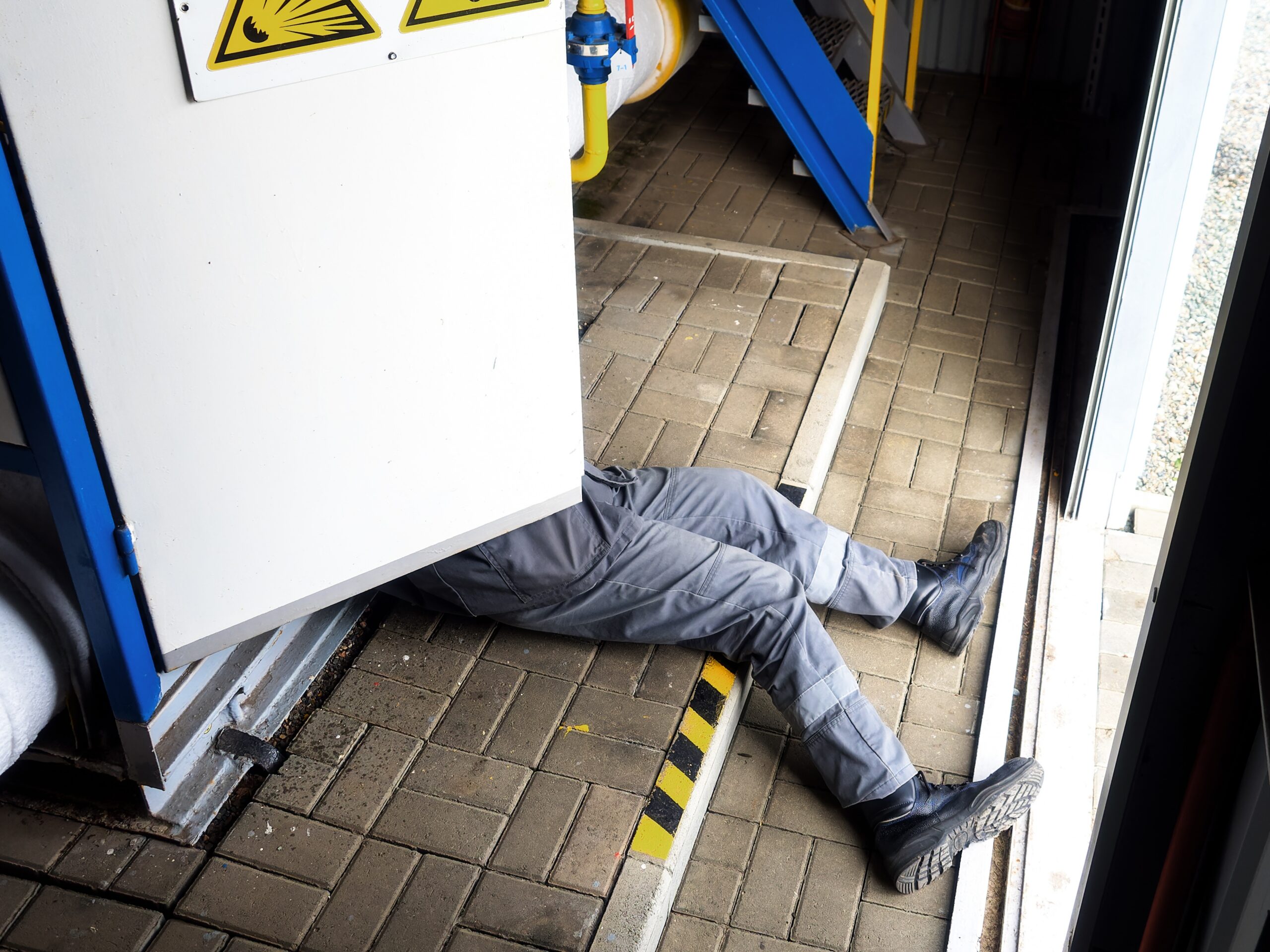




What is the most common injury when working with electricity?
Electric shock is the most common injury that occurs when working with electricity, accounting for about 72% of these nonfatal injuries in 2020, according to data from the Electrical Safety Foundation.
An electric shock occurs when an electrical current passes through the body, interrupting the normal electrical signals between the brain and the muscles. This can lead to a range of symptoms, from a mild tingling sensation to severe burns, cardiac arrest, or even death, depending on the voltage and duration of exposure.
Other common injuries include:
- Electrical burns, which result from the heat generated by the flow of electrical current through the body, causing tissue damage, nerve damage, and organ damage
- Thermal burns to the skin, which can result from contact with overheated electrical equipment or conductors
- Arc flash injuries, which occur when an electrical explosion or discharge, known as an arc flash, produces intense heat, light, and sound, causing severe burns, hearing loss, and other injuries
- Falls resulting from the shock, which can lead to catastrophic injuries like fractures, brain injuries, and spinal cord injuries
How much compensation do you get for being electrocuted?
In North Carolina, workers’ compensation is available to most employees who work for an employer with 3 or more workers. This is a no-fault insurance system, meaning employees are entitled to benefits regardless of who was at fault for the accident, including incidents of electrocution.
The types of benefits available through workers’ compensation in North Carolina include:
- Medical benefits. Workers’ comp covers all necessary medical treatments related to the electrocution, such as hospital stays, surgeries, medications, and rehabilitation services. There is no cap or limit on these benefits as long as they’re considered reasonable and necessary for the treatment of the injury.
- Lost wages. If the electrocution results in an inability to work, you may be entitled to disability benefits for lost wages. These are typically categorized into temporary total disability, temporary partial disability, permanent partial disability, and permanent total disability benefits. The amount usually equals two-thirds of your average weekly wage, subject to state maximums and minimums, and can vary depending on the extent and duration of your disability.
- Vocational rehabilitation. If you cannot return to your previous job due to the injuries sustained from the electrocution, you may be eligible for vocational rehabilitation services to help you return to work in a new capacity.
- Death benefits. If an electrocution results in the death of a worker, their dependents may receive death benefits, which include a portion of the worker’s wages and coverage for funeral expenses.
The exact amount of compensation you receive for being electrocuted will depend on the specifics of your case, including the severity of your injuries and the extent to which they affect your ability to work. Consulting with a workers’ compensation attorney can help ensure that you receive the full compensation you are entitled to under the law.
What steps are required to get workers’ comp benefits after an electrical injury at work in NC?
To obtain workers’ compensation benefits after an electrical injury at work in North Carolina, you must follow these steps and adhere to all deadlines:
- Seek immediate medical attention. Prioritize your health and safety by getting medical treatment as soon as possible. Inform the health care provider that your injury is work-related.
- Notify your employer. Report the injury to your employer immediately, but no later than 30 days after the incident. Provide a written account of the accident and the injuries sustained.
- File a workers’ compensation claim. Complete Form 18 (Notice of Accident to Employer and Claim of Employee, Representative, or Dependent) and submit it to the North Carolina Industrial Commission (NCIC). This can be done online or by mail.
- Follow up on medical treatment. Comply with all medical advice and treatment plans. Attend all follow-up appointments and keep records of your medical care.
By following these steps, you can initiate the process of obtaining workers’ compensation benefits for your electrical injury in North Carolina. It’s recommended that you consult with a workers’ compensation attorney to ensure your rights are protected throughout the process, especially if your claim is denied.
Can you sue if you get electrocuted at work?
In North Carolina, like in many other states, workers’ compensation is generally the exclusive remedy for employees who are injured at work, including injuries from electrocution.
This means that, in most cases, you cannot sue your employer for a work-related injury if workers’ compensation benefits are available.
The workers’ compensation system is designed to provide benefits regardless of fault, which protects employers from lawsuits while also ensuring that injured workers receive medical treatment and compensation for lost wages.
However, there are exceptions to this rule where a lawsuit might be possible:
- Third-party claims. If your electrocution was caused by a third party other than your employer or a co-worker (for example, a negligent contractor, faulty equipment manufacturer, or utility company), you might have the right to sue the third party for damages while still receiving workers’ compensation benefits from your employer.
- Intentional acts. If your employer intentionally caused your injury, you might be able to bypass the workers’ compensation system and sue for damages. However, proving intentional harm is a high legal standard and is rare in workplace injury cases.
- Lack of workers’ compensation insurance. If your employer is obligated by law to provide workers’ compensation insurance but neglects this duty, you might have the option to directly sue your employer for damages resulting from the electrocution injuries.
If you’ve been electrocuted at work, it’s important to consult with a workers’ compensation attorney to understand your rights and explore all potential avenues for compensation. Our skilled work injury attorneys at Wilder Pantazis Law Group can provide the expert legal assistance you need.
Our experienced team understands the complexities of workers’ compensation laws in North Carolina and is committed to advocating for your rights. We’ll guide you through every step of the claim process, from filing the initial paperwork to negotiating with insurance companies, ensuring you receive the full benefits and compensation you are entitled to.
Contact Us