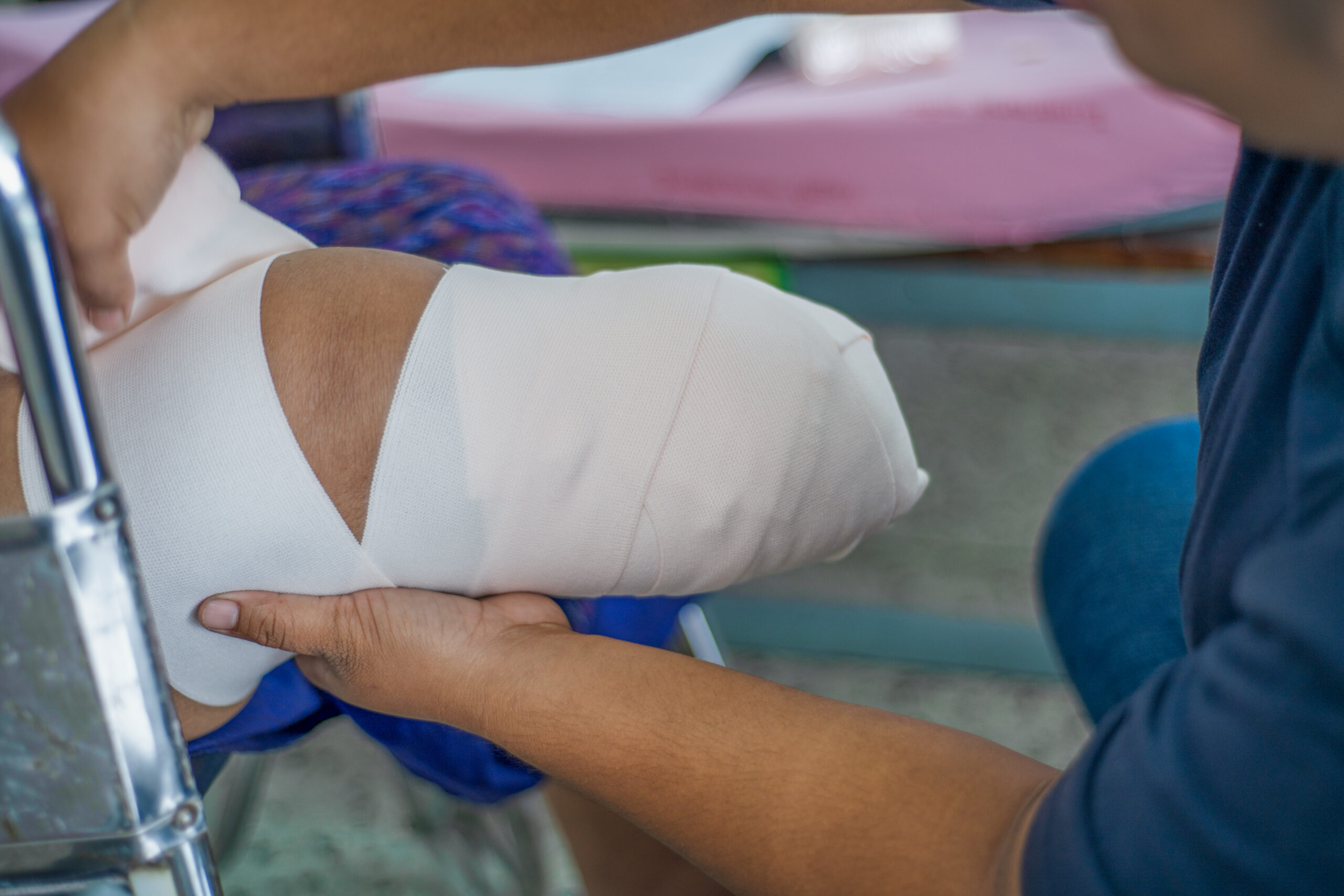




Types of occupational amputations
Fingers are by far the most common body part amputated by workplace accidents, but other common amputations involve the toes, hands, and feet. Traumatic amputations are generally categorized as complete or partial, depending on the severity of the injury.
“Minor” amputations are those that occur to the distal or tarsometatarsal joint (forefoot, transmetatarsal, and Lisfranc), whereas a “major” amputation is one that occurs proximal to the tarsometatarsal joint (Chopart, Boyd, Syme, below and above the knee).
Anytime a worker loses a body part—regardless of which part—the results can be catastrophic and life-changing. Not only must you cope with medical treatment, but you may find that you need long-term assistance completing the tasks you could once do on your own with ease. In many instances, you may face the prospect of a permanent disability as a result of the amputation.
Common causes of amputation in the workplace
While amputations in the workplace may be the result of a wide variety of equipment and activities, these occupational injuries typically occur when employees are operating mishandled or unguarded heavy equipment.
This equipment might include:
- Conveyors
- Power press brakes
- Food sliders
- Roll bending machines
- Meat grinders
- Drill presses
- Band saws
- Milling machines
- Grinders
- Shears
Additionally, amputations may occur when using trash compactors, forklifts, and both non-powered and powered hand tools. Employees may be at risk for amputation while setting up, cleaning, adjusting, preparing, or clearing jams in the equipment.
Are amputations covered by workers’ compensation in North Carolina?
If you experience a loss of limb or amputation as part of your work duties, that injury is typically covered by workers’ compensation in North Carolina. While not every employer is insured, most are required to carry workers’ compensation coverage under state law.
Workers’ compensation can provide coverage for surgical procedures, medical expenses, prosthetics, and physical therapy. Additionally, workers’ comp can also provide coverage for lost wages and disability. In some cases, workers may be able to receive a lump-sum payment for their loss.
Calculating your amputation compensation claim
The precise amount an injured worker may receive is two-thirds of their average weekly wage. It’s not uncommon for workers’ compensation insurance companies to calculate this figure incorrectly, which is why it’s best for you and your lawyer to double-check the amount.
Generally, an employee’s weekly wage is based on two-thirds of the average weekly amount they earned during the 52 weeks (1 year) before the accident. For this reason, it’s a good idea for employees to provide copies of their pay stubs or any payment information that can verify their earnings.
Wage replacement benefits are usually calculated as two-thirds of an employee’s average weekly wage, though maximum limits do apply.
Contact Us