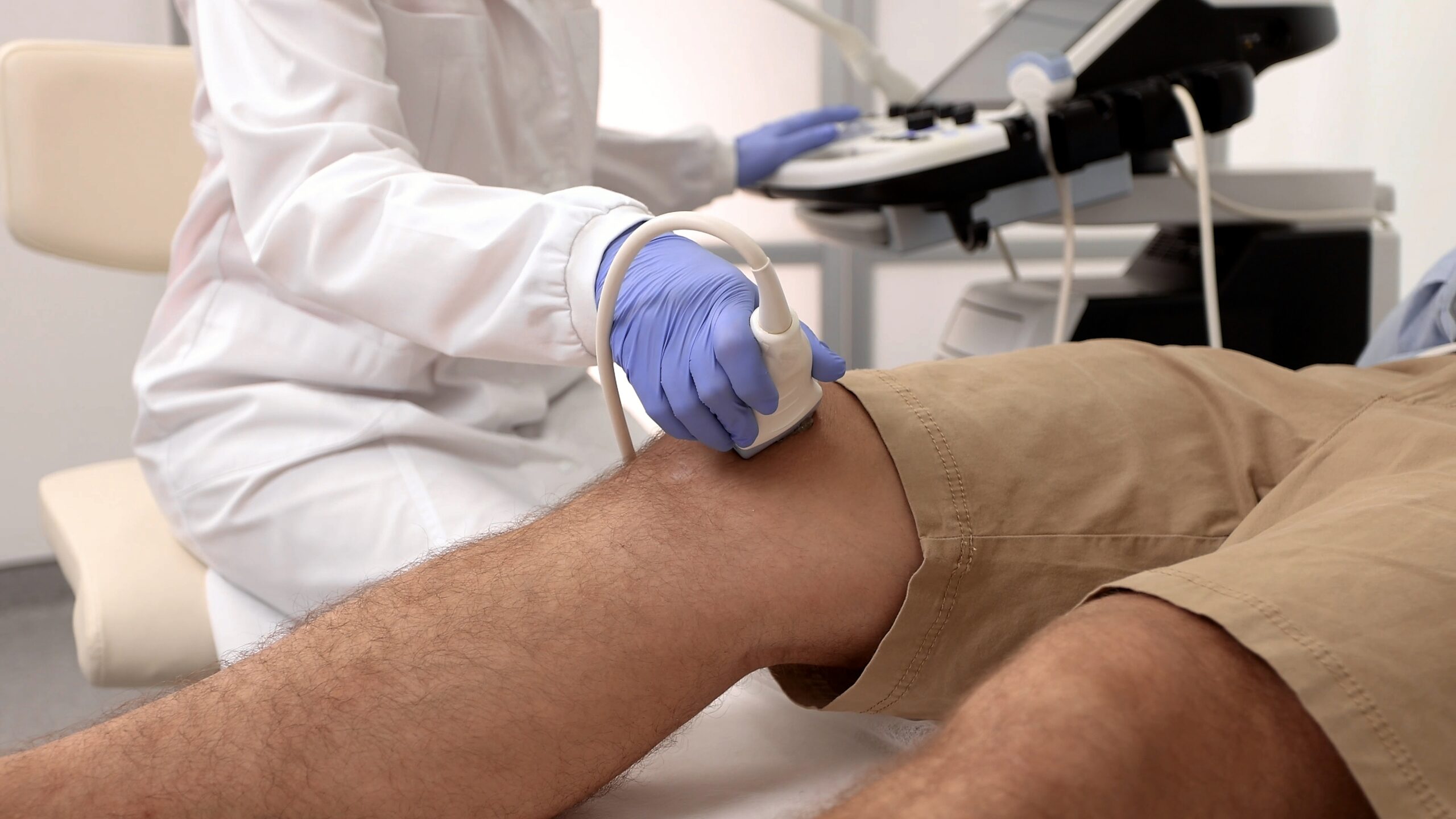




What is tendonitis?
Tendonitis is an inflammation or irritation of a tendon, which is the strong fibrous cord that attaches muscle to bone. This condition often results in pain and tenderness just outside of a joint. Tendonitis most commonly affects tendons in the shoulders, elbows, wrists, knees, and heels.
Can tendonitis be work-related?
Yes, tendonitis can be work-related. In fact, in 2020, about 1,380 workers in private industries across the U.S. missed at least 1 day of work due to a work-related tendonitis injury, according to the Bureau of Labor Statistics (BLS).
Tendonitis most often results from repetitive motions or overuse, which are common in many occupations, but it can also result from sudden traumatic injuries, though this is rare. Jobs that involve repetitive tasks, heavy lifting, sustained awkward positions, overhead reaching, or prolonged periods of typing or using hand tools put workers at an elevated risk of developing tendonitis.
Sudden increases in physical activity without proper preparation or using improper techniques in both sports and work tasks can also lead to this condition.
The risk of developing tendonitis increases with age as tendons become less flexible. Additionally, certain health conditions, such as rheumatoid arthritis and diabetes, can make individuals more susceptible. All of these potential factors can make it challenging to prove that tendonitis is directly caused by someone’s job.
Is tendonitis covered under workers’ compensation?
Workers’ compensation insurance provides benefits for employees who suffer from injuries, illnesses, or occupational diseases due to their job, including tendonitis. To be covered under workers’ compensation, a worker must be able to prove that their condition was caused or exacerbated by their job duties.
It’s important to note that most North Carolina employers with 3 or more employees are required to provide workers’ comp insurance, although there are exceptions, including some workers in agriculture, sawmill, and logging operations, and independent contractors.
If you’re unsure if you’re eligible for workers’ comp after a tendonitis injury at work, reach out to a local work injury attorney who can help you understand your rights and legal options.
How to prove that tendonitis is work-related
Proving that your tendonitis injury is work-related requires gathering and presenting specific types of evidence.
Below are some types of evidence that can be useful for your claim:
- Medical evidence. Gather medical records from your health care provider that detail your diagnosis, treatment, and the potential causes of your tendonitis. Also, get a written statement from your doctor linking your tendonitis to your work activities. This should include their professional opinion on how your job duties could have caused or exacerbated the condition.
- Personal documentation. Keep a detailed diary of your symptoms, noting when they started, how they progressed, and any specific work tasks that seemed to trigger or worsen them.
- Workplace evidence. Provide a detailed description of your job duties, especially those involving repetitive motions, heavy lifting, or awkward postures that could contribute to tendonitis. Also, document the ergonomics of your workplace, including workstation setup, tools used, and any safety measures in place or lacking.
- Expert opinions. Consider consulting with an ergonomics expert who can provide an analysis of your workplace and how it might contribute to tendonitis. Additionally, an occupational health specialist can provide an expert opinion on the link between your work duties and your tendonitis.
By compiling these types of evidence, you can build a strong case to prove that your tendonitis is work-related and increase your chances of receiving the compensation and support you need.
What does workers’ comp cover in NC?
If your claim is approved, workers’ comp benefits can cover the following:
- Medical expenses. Covers all necessary medical treatment related to the injury or illness, including doctor visits, hospital stays, surgeries, medications, physical therapy, and any required medical equipment.
- Lost wages. Provides financial support to cover a portion of lost wages when an employee cannot work, can only work reduced hours, or has a permanent impairment limiting their ability to work, ensuring reliable income during recovery.
- Vocational rehabilitation. Offers assistance with retraining or job placement if the employee is unable to return to their previous job due to injury or illness, including education and training for a new career.
To receive these benefits, employees must report their injury or illness to their employer promptly and follow the procedures for filing a workers’ compensation claim.
What are the steps to filing for workers’ comp in NC?
Filing for workers’ compensation in North Carolina can be a complex process, but understanding the necessary steps can help you navigate it more effectively. To ensure you receive the benefits you deserve, it’s crucial to follow each step carefully and consider seeking the assistance of an experienced workers’ compensation attorney.
The steps for filing a workers’ comp claim in North Carolina are as follows:
- Seek medical care. Obtain medical treatment for your injury from an employer-approved physician who can provide a diagnosis and a medical opinion linking your injury to your job.
- Inform your employer. Notify your employer of your injury in writing within 30 days of the diagnosis. Failure to do so could result in your claim being denied.
- Submit Form 18. Complete and submit Form 18 to the North Carolina Industrial Commission (NCIC). This should be done as soon as possible, but no later than 2 years after your injury. Send 2 copies to the NCIC, one copy to your employer, and keep one copy for yourself.
- Await insurer’s decision. The insurance company should provide written notice of whether they accept or deny your claim within 14 days of receiving your Form 18.
To increase your chance of a successful claim and maximize your benefits, consider hiring a workers’ compensation attorney, especially if your claim is denied. An attorney can guide you through the process and help with any appeals.
Contact a qualified workers’ compensation attorney today
Workers’ compensation claims can often be more complicated than they appear, especially when they involve a repetitive stress injury like tendonitis. Engaging an attorney from the outset can help you navigate the process and avoid a denied claim, ensuring you receive the compensation needed for your recovery.
The experienced workers’ compensation attorneys at Wilder Pantazis Law Group, with over 85 years of combined expertise, are dedicated to assisting workers in North and South Carolina with securing maximum compensation for their injuries. We provide free initial consultations and work on a contingency basis, meaning you won’t incur any fees unless we win your case.
Contact Us