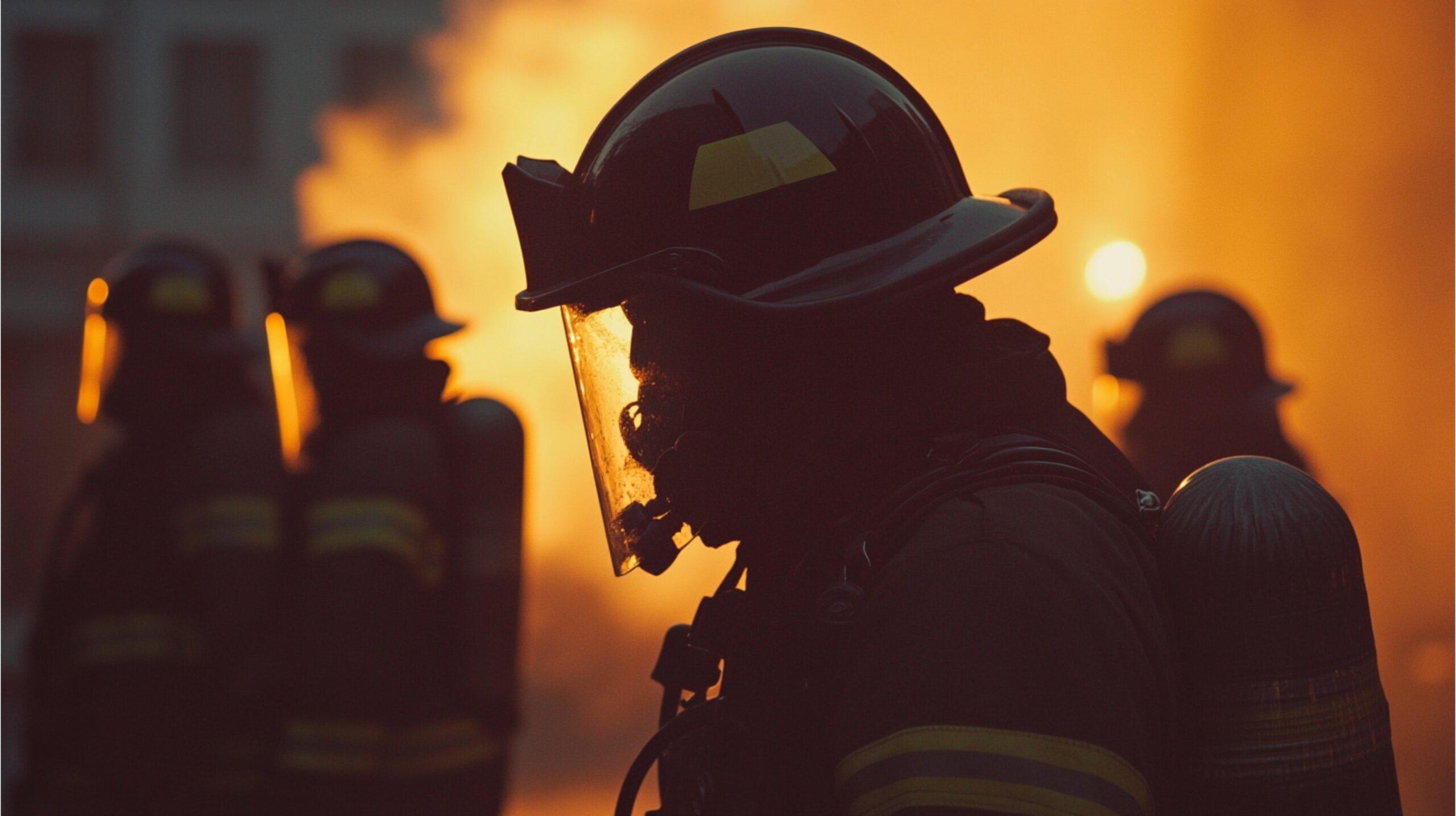




Compensation for first responders injured on duty
Under North Carolina law, protections are provided when police officers or emergency responders experience injuries or are killed while on the job. Such workers, along with their surviving loved ones, have a right to receive workers’ compensation benefits.
In the event a first responder isn’t able to work due to an occupational injury or illness, they are eligible to receive the following benefits:
- Income replacement. Injured workers can receive a percentage of their average weekly income that they received up to the date of injury.
- Disability benefits. In situations in which the worker is permanently disabled and unable to return to work, the worker may also be eligible for permanent disability benefits.
- Medical expenses. Workers are also entitled to receive payment for medical treatments.
How to file a workers’ comp claim in North Carolina
To file a workers’ compensation claim in North Carolina, you should take the following steps:
- Seek medical help for your injury as soon as possible. This is important for ensuring that your injury is properly diagnosed and treated. It will also provide documentation of the injury, which can be used as evidence in your workers’ compensation claim.
- Inform your employer of the injury within 30 days. This is a requirement under North Carolina law. You can inform your employer verbally or in writing, but it is recommended that you do so in writing to ensure a record of your notification.
- File a claim. To officially file a claim, you must fill out Form 18 and file it with the North Carolina Industrial Commission within 2 years of the date of the injury. This form can be found on the Commission’s website and must be filled out by you and your employer.
- Contact an attorney. It’s always recommended that you consult with an attorney specializing in workers’ compensation before filing a claim to ensure your rights are protected.
Common accidents for first responders
Because first responders must react quickly to emergencies, they’re always at an increased risk of vehicle accidents while driving, especially when performing rescue missions during a natural disaster. But they face numerous other hazards on a daily basis as well.
Firefighter accident risks
While the dangers firefighters face are many and varied, the most obvious risk is from the fire itself, which can be exacerbated by smoke inhalation, burns, or even structural collapse.
Other dangers include:
- Burn injury or hearing loss from explosions
- Electrocution
- Spinal injury resulting from falls from heights
- Head or brain injuries from falling debris
- Loss of limbs
- Toxic chemicals and substances leading to lead poisoning and lung diseases such as asbestosis, cancer, and COPD
Police officer accident risks
Police officers have a high risk of physical altercations with suspects. Officers may be injured by firearms or other weapons during a shooting incident or while handling firearms during training.
Officers may also be exposed to dangerous chemicals or substances that can lead to explosions, especially during drug busts.
EMT accident risks
In addition to their risk of vehicular accidents, EMTs are at a high risk of contracting infectious diseases and getting stuck by a needle while performing their job duties.
Common injuries among first responders
Due to the physical requirements of first responders, these workers have a higher-than-average injury and death rate from accidents at work.
In fact, according to a study by the National Fire Protection Association (NFPA ), an estimated 60,750 firefighter injuries occurred in the line of duty in 2021 alone.
Additionally, data from 2019 shows that police officer deaths from on-the-job injuries occurred at a rate of 11.1 per 100,000 full-time workers. By comparison, the rate for all occupations was only 3.5 per 100,000 full-time workers.
Common injuries among firefighters
According to the NFPA, the leading cause of injuries among firefighters in 2021 was overexertion, accounting for 25 percent of all injuries. These types of injuries often affect muscles in the back and neck.
Other common injuries include:
- Burns
- Respiratory injuries from inhaling smoke and toxic gases
- Broken bones and brain injury from falling debris, slip-and-fall accidents, and vehicle crashes
- Crush injuries from being trapped in a collapsed building
- Cuts and lacerations
- Hearing loss from sirens and alarms
Common injuries among police officers
Common injuries among police officers occur from altercations with suspects or vehicle accidents, such as:
- Brain and spinal cord injury
- Broken bones
- Lacerations
- Gunshot and stab wounds
Other injuries include:
- Musculoskeletal injuries to the back, neck, and limbs
- Infectious diseases from interacting with infected individuals
- Sprains and strains from slip-and-fall accidents that occur while pursuing suspects on foot
Common injuries among EMTs
Some common injuries among EMTs include:
- Musculoskeletal injuries to the back and neck from lifting and moving patients
- Needle stick injuries while giving injections or drawing blood can lead to serious diseases.
- Infectious diseases from treating patients with communicable illnesses.
- Respiratory injuries from inhaling smoke and toxic gases at the site of an accident
- Broken bones and brain injury from slip and fall accidents and vehicle crashes
North Carolina cancer presumption laws
Along with PTSD, first responders, firefighters, and police officers may also be at increased exposure to carcinogens and toxins. This has made the risk of developing cancer a growing concern amongst firefighters, in particular, in recent years.
In fact, research has shown that firefighters have a greater risk of developing certain types of cancer, including mesothelioma. Consequently, presumption laws have now been passed in many states to provide greater protection for firefighters diagnosed with cancer.
North Carolina lawmakers have been working since 2007 to obtain such presumptive cancer coverage. Although none of these laws have been passed to date, if passed, these laws would assist firefighters in obtaining such benefits as workers’ compensation and larger disability pensions. These laws would also make it easier for loved ones to obtain death benefits. Among these bills is House Bill 520, which passed in the House in 2019 but later stalled in the North Carolina Senate.
Under this bill, 9 cancers were listed as occupational diseases, including:
- Intestinal cancer
- Esophageal cancer
- Brain cancer
- Mesothelioma
- Non-Hodgkin’s lymphoma
- Multiple myeloma
- Rectal cancer
- Oral cavity cancer
- Testicular cancer
Unfortunately, until these bills actually do become law, these workers are often left trying to pay for the cost of the medical treatment out of pocket.
Expanding PTSD coverage for firefighters, police officers, and first responders
Firefighters, police officers, and first responders may have significant medical expenses in the event of an injury or if they develop a disease due to their work. In such cases, they may be unable to return to work temporarily or at all. Family members may also be left behind to face significant emotional and financial burdens in the case of a fatal injury.
Due to the potential for such challenges, these workers have continued to fight for expanded coverage beyond what most injured workers can receive from workers’ compensation. Recently, H.B. 492 was passed in the N.C. House of Representatives. If this bill is made law, it would make it possible for law enforcement officers, first responders, and firefighters to obtain benefits when they experience psychological trauma as part of their jobs.
Although it had been previously established that employees in North Carolina may seek benefits for physical injuries and mental illness, this bill would list PTSD as an occupational disease for which workers can be compensated when employed by local and state governments. In order to qualify for benefits, the worker would need to be examined by a healthcare provider and be diagnosed with PTSD.
Furthermore, it would need to be established that the worker’s PTSD was the result of employment activities. Should this bill go into law, it would remove legal hurdles that first responders previously faced when demonstrating that they were at a greater risk than the general public of developing PTSD as a result of their occupational activities.
Issues with filing workers’ comp claim for PTSD
Workers filing claims for mental health conditions like PTSD may face several challenges.
One of the major challenges is proving that the worker’s job duties were the primary cause of their diagnosis. This can be difficult as PTSD is a mental disorder that takes time to diagnose, and symptoms may not appear until months after the traumatic event.
Furthermore, because PTSD symptoms aren’t usually visible to others, it’s not always easy to diagnose. The lack of physical evidence, such as broken bones or bruises, can also make it harder for workers to prove that their condition is preventing them from being able to perform their job duties.
Contact Us