
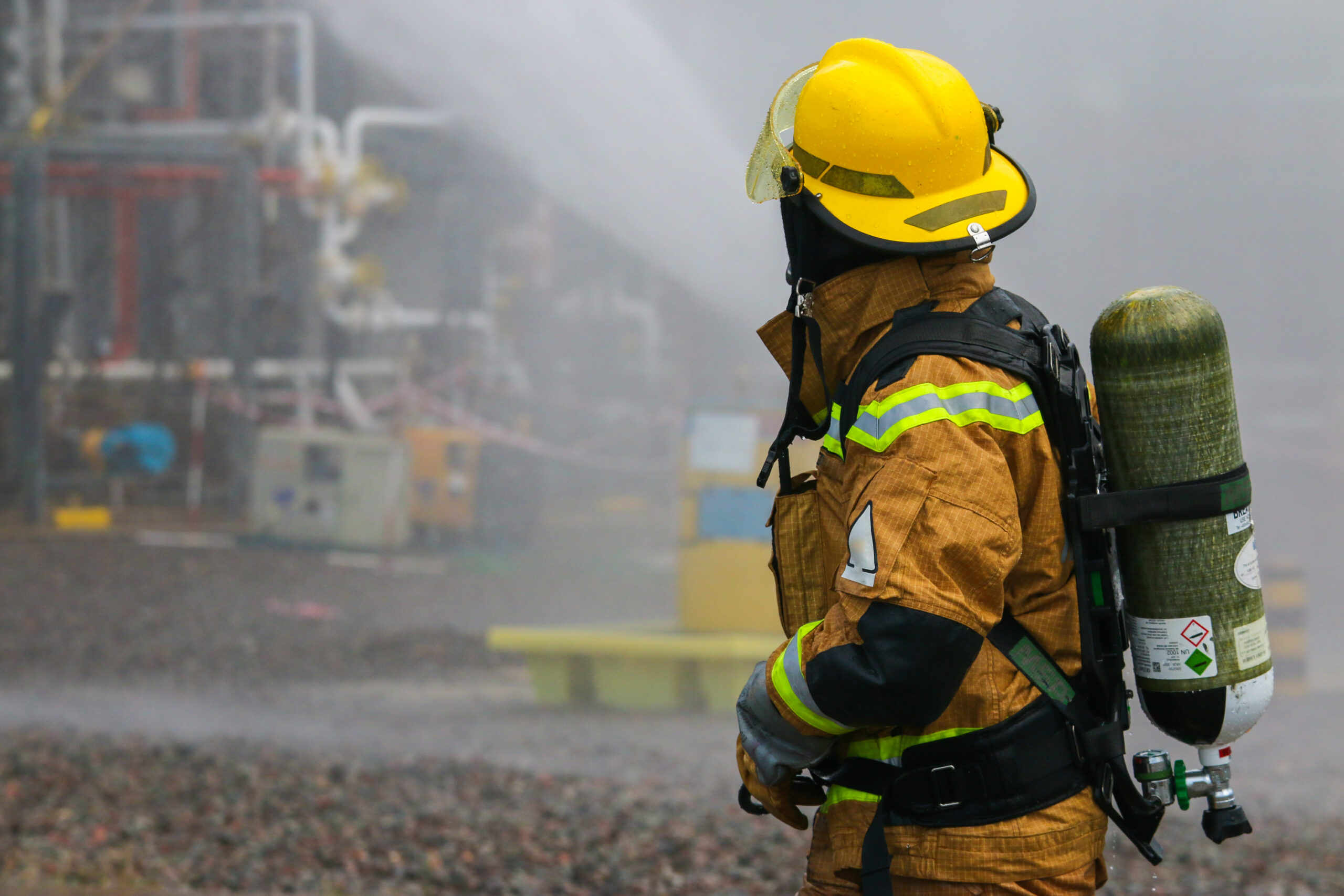

A cancer diagnosis changes everything. For firefighters, it often arrives with the added knowledge that years of responding to fires, breathing toxic smoke, absorbing chemicals from burning materials, and wearing gear exposed to carcinogens may have played a role. At Wilder Pantazis Law Group, we represent injured workers across North and South Carolina, including many firefighters facing occupational illnesses. Our attorneys have worked with firefighters on these claims and contributed to legislative efforts that strengthen protections for those diagnosed with cancer linked to their service.
Research has established clear elevated risks. Studies from the National Institute for Occupational Safety and Health have shown firefighters face higher rates of cancer diagnosis and cancer-related death than the general population. The International Agency for Research on Cancer has classified occupational exposure as a firefighter as carcinogenic to humans, with particularly strong links to certain cancers such as mesothelioma and bladder cancer, and associations with others including prostate, testicular, colon, and non-Hodgkin lymphoma.
If you or a loved one has received this diagnosis, the steps you take early can protect both your health and your access to benefits.
Prioritize Medical Care and Build a Clear Record
Focus first on treatment and accurate diagnosis. Work with oncologists and other specialists who understand occupational exposures. Ask them to document the diagnosis thoroughly, including the primary site, stage, and any opinions connecting the cancer to known carcinogens from firefighting.
At the same time, gather your service history. Collect records of your employment or volunteer service dates, departments, training, and any documented exposures. Note symptoms and when they began. These details become critical when linking the illness to your work, especially given the latency periods common with many occupational cancers.
Explore State-Specific Cancer Benefit Programs
Both North Carolina and South Carolina maintain dedicated programs that provide financial support outside of (or in addition to) traditional workers’ compensation.
In North Carolina, the Firefighters’ Cancer Insurance Program offers eligible firefighters a lump-sum benefit of $37,000 upon diagnosis of a covered cancer (available for up to two diagnoses). It also provides a monthly long-term disability benefit, generally up to 75 percent of salary for employed firefighters (capped at $5,000) or a fixed amount for volunteers, when the illness prevents continued work as a firefighter. Eligibility generally requires at least five continuous years of service in a North Carolina fire department, with the diagnosis occurring on or after January 1, 2022. The program includes certain retired firefighters under defined conditions and is administered at no cost to the firefighter or department through the Office of the State Fire Marshal. Claims are typically initiated through the program administrator.
A key limitation applies: firefighters receiving benefits related to the cancer under the North Carolina Workers’ Compensation Act are generally not eligible for this program. Careful coordination is therefore essential.
South Carolina’s Firefighter Cancer Health Care Benefit Plan provides a one-time $20,000 benefit upon initial diagnosis, annual reimbursement of up to $12,000 for out-of-pocket medical expenses related to treatment, and a $75,000 death benefit. Eligibility requires at least five continuous years of service in a South Carolina fire department and active service within ten years of the diagnosis. The plan covers a range of cancers and is administered through the Office of the State Fire Marshal.
These programs are designed as supplemental support. They do not replace the need to evaluate other options.
Consider a Workers’ Compensation Claim
Workers’ compensation remains a primary pathway for covering medical treatment, wage replacement during disability, and related benefits.
In North Carolina, cancer may qualify as an occupational disease if you can establish that it arose out of and in the course of employment due to exposures greater than those faced by the general public. There is no broad presumptive coverage for most cancers under the Workers’ Compensation Act, so strong medical and employment evidence is typically required.
Deadlines matter. For occupational diseases, the two-year filing period generally runs from the date of disability or from the date a competent medical authority advises you of the work-related nature of the condition (N.C. Gen. Stat. § 97-58). Written notice to the employer is also required. Claims are filed with the North Carolina Industrial Commission, commonly using Form 18 (or Form 18B for certain lung diseases).
Line-of-duty death provisions under North Carolina’s Public Safety Employees’ Death Benefits Act also recognize certain cancers as qualifying in specific circumstances.
South Carolina provides presumptions for certain heart and respiratory conditions in firefighters, but cancer claims generally require proof of the work connection.
Filing deadlines and procedural rules differ between the states, and early guidance helps avoid missed opportunities. Successful claims can provide payment for medical care related to the cancer, temporary or permanent disability benefits, and, in the event of death, benefits for dependents.
Document Thoroughly and Seek Guidance Early
Cancer claims involving firefighters frequently face scrutiny. Insurers may question causation, service requirements, or the interaction between specialized cancer programs and workers’ compensation. Latency periods, incomplete exposure records, and evolving science all add complexity.
Preserving evidence early, such as medical records, service history, incident reports, and communications with your department, strengthens any claim. Consulting an attorney experienced in these cases helps you navigate eligibility rules, avoid conflicts between benefit programs, meet deadlines, and respond effectively to denials or delays.
At Wilder Pantazis Law Group, our North Carolina board-certified workers’ compensation specialists have extensive experience representing firefighters and first responders. We understand the medical evidence, the specific programs available in the Carolinas, and the practical challenges of building these claims. We have also participated in advocacy that has helped expand protections for firefighters diagnosed with occupational cancer.
We offer free consultations and handle cases on a contingency basis, so you pay no attorney’s fee unless we recover compensation for you. We serve clients from our offices in Charlotte, Greensboro, and Wilmington, and we provide bilingual representation.
A cancer diagnosis as a firefighter brings medical, emotional, and financial challenges. Taking organized steps can make a meaningful difference in protecting your benefits and focusing on recovery.
If you are a firefighter or the family member of a firefighter facing a cancer diagnosis in North or South Carolina, contact Wilder Pantazis Law Group at (888) 620-3342 to discuss your situation in a free consultation.


